

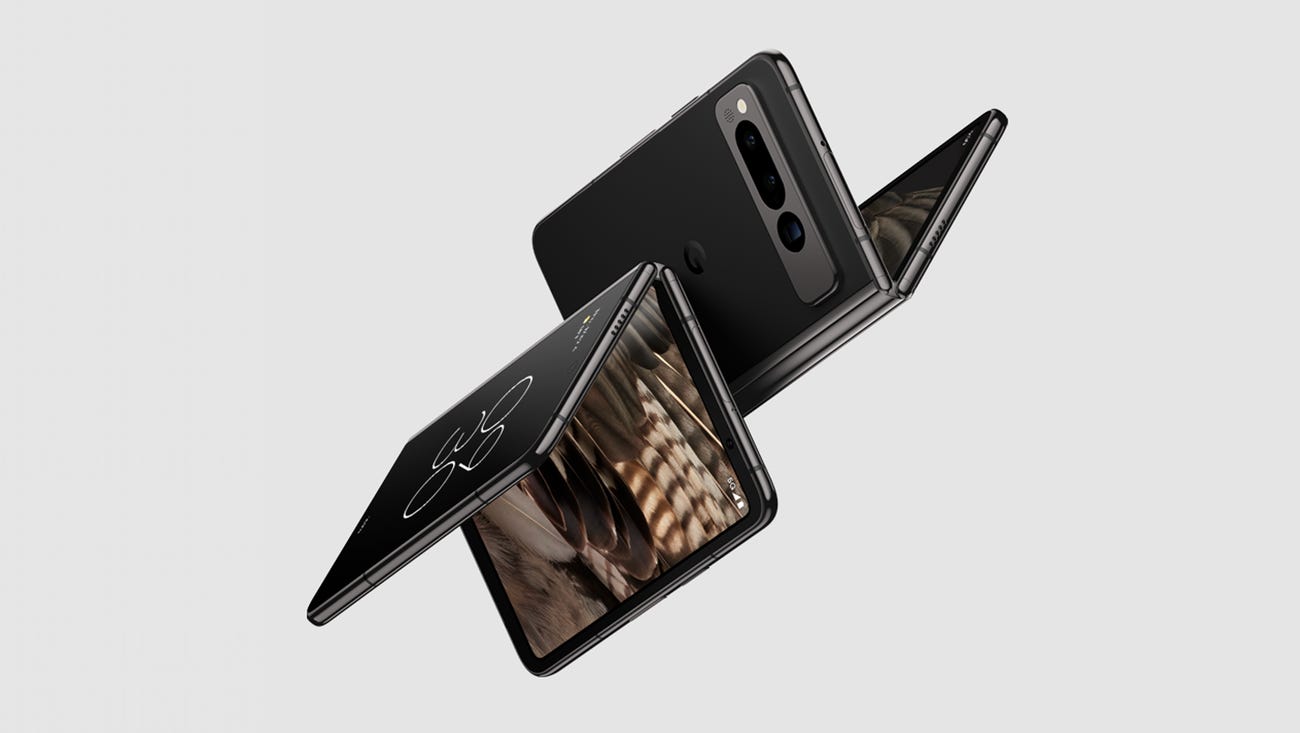
Foldable phones have quietly moved from sci‑fi curiosity to practical everyday tools, and Apple’s expected foldable iPhone announcement in September is likely to push them firmly into the mainstream. For people who live out of their pockets and backpacks, this is exactly the kind of evolution that starts to feel less like a gadget trend and more like the next default way we use a phone.
Over the last few years, the foldable market has grown from a tiny niche into a meaningful slice of the premium smartphone world, with analysts projecting strong double‑digit growth in 2026 as new devices arrive from Samsung, Huawei, Motorola, and now Apple. Even with that growth, foldables still represent only a small percentage of total smartphones, which is important because it means they’re being designed for specific, high‑value use cases rather than for everyone all at once.
Those use cases line up almost perfectly with the lives of people who are always on the go but don’t want to drag a laptop everywhere. You might be answering emails between client meetings, tweaking a presentation on the train, or breaking down last night’s box scores and advanced stats for a quick column.
A traditional phone can technically handle all of that, but a foldable gives you room to breathe. Users can open the device and suddenly you’re working on something closer to a mini‑tablet screen instead of squinting at a cramped rectangle.
The industry’s pivot toward book‑style and wider foldable phones is a direct response to this need for more usable screen real estate that still fits in a pocket. Research firms now expect book‑type phones to account for roughly two‑thirds to three‑quarters of foldable shipments in 2026, driven by productivity‑oriented users who want to read, write, and multitask comfortably on a single device.
Analysts also highlight a new generation of wide‑fold designs — phones that unfold into something very close to a small tablet—as the main growth engine for the next few years.
That’s where Apple is expected to plant its flag. Current reporting points to an iPhone Ultra as it’s first foldable phone. This device is expected to have roughly a 5.5‑inch outer display and around a 7.8‑inch inner display when unfolded, using a hinge designed to minimize the crease and a tablet‑like aspect ratio similar to an iPad mini.
The device is rumored to sit firmly in the ultra‑premium tier, with pricing in the $2,000+ range and limited supply at launch, which fits Apple’s typical pattern of introducing a new category at the top of the market before it trickles down. Analysts expect Apple’s entry to be an inflection point, not just another phone launch.
Forecasts suggest Apple could capture roughly a quarter or more of the foldable segment in its first year, immediately joining Samsung and Huawei as part of a top‑three club that defines where the category goes next. That kind of share doesn’t happen unless there’s genuine consumer demand, and the demand is coming from exactly the people who want to do just enough real work or real creation on a device that still slips into a pocket or a small bag.
What’s interesting is how closely this evolution tracks with Steve Jobs’ original vision for the iPhone and its cousins. Back in 2007, he described the iPhone as an iPod, a phone, and an internet communicator all in one small handheld device, emphasizing that it was the Internet in your pocket and like having your life in your pocket. Even earlier, with the iPod, he hammered home the idea of 1000 songs in your pocket — a simple message that made clear the goal was always powerful experiences in something you could literally slip into your jeans.
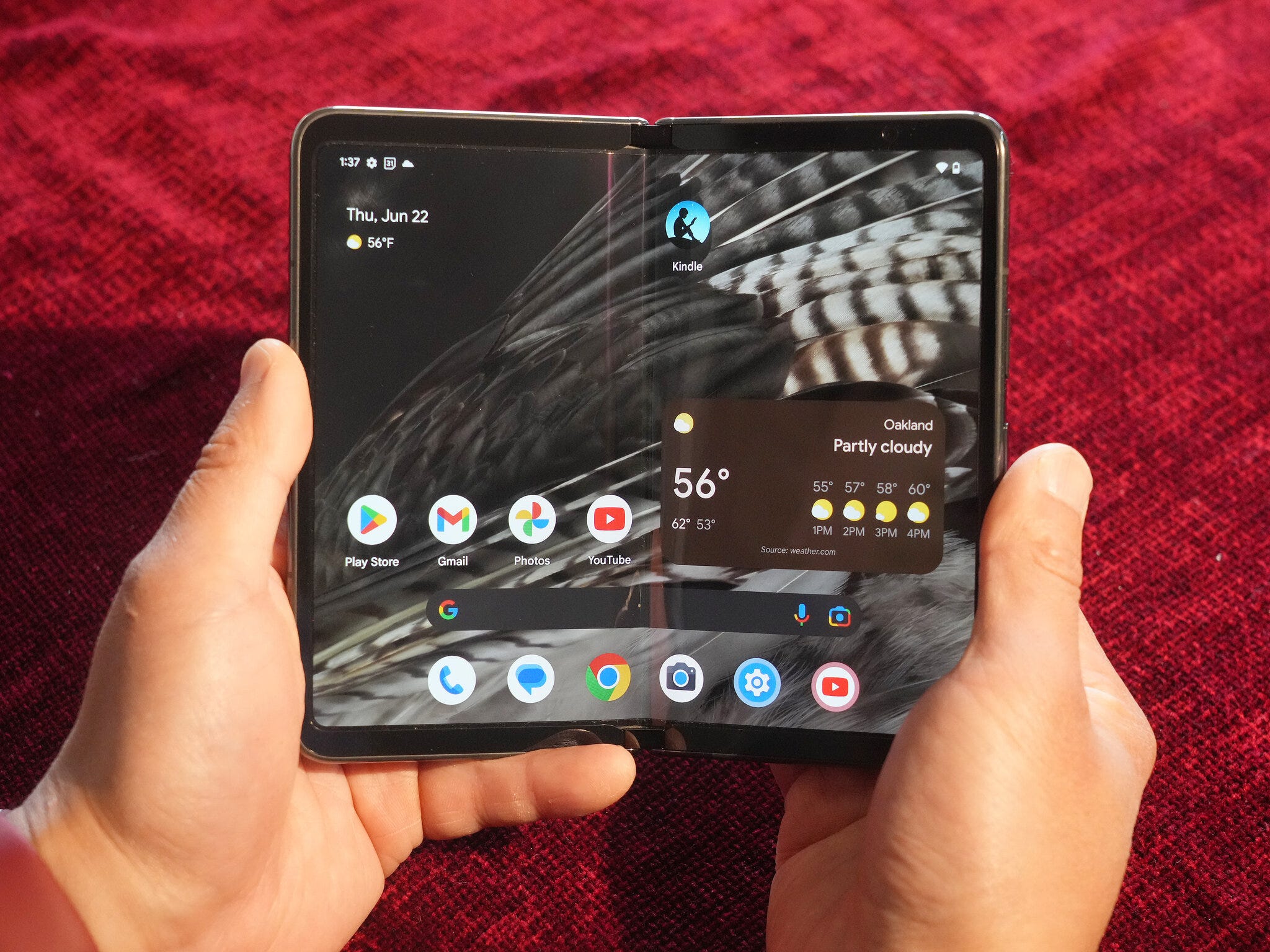
Foldables are essentially the next logical step in that same pocket‑first philosophy. Instead of choosing between small enough to carry and big enough to work on, these devices flex between both states as your day demands. Closed, they’re still phones — quick messages, calls, scrolling through scores or headlines; opened, they become canvases for writing, editing, annotating, reviewing code, checking dashboards, or juggling multiple apps side by side.
And that dual identity matters even more as AI and richer app experiences start to live at the center of our workflows. Larger smartphone screens are becoming increasingly important multitasking and task execution across multiple apps, from drafting emails to summarizing documents to orchestrating workflows is being taken over by automation, thanks to AI.
A foldable screen gives those AI features room to breathe. Instead of watching your phone struggle to show a dense, laptop‑style interface on a narrow display, you unfold more space right when you need it.
Is a foldable phone going to replace a full laptop for complex work? Probably not, at least not yet. Foldeables are being forcasted as premium additions rather than wholesale replacements for PCs, and even come 2030 they’re expected to remain a small percentage of total smartphone shipments.
Here’s the thing, folks: For the growing set of people who already do 80% of their work, planning, and creative thinking on a phone — including sports writers tracking games in real time, consultants traveling light, and students living out of cloud apps — foldables are closing the gap faster than most of us expected.
With that . . . If Apple really does stand up in September and say, in effect, Here’s the iPhone that unfolds into your next screen, it won’t just be another spec bump — it will be Apple affirming that the pocket computer Jobs described almost twenty years ago is ready for its next form factor. A device that fits in your pocket, opens into a workspace, and increasingly feels like the only computer you truly need with you all day long is exactly where that original vision has been pointing the industry from the start.
If you can’t carry more, then carry something that can do more.
Please visit Binary News where we post regular opinion pieces about including but not limited to business, politics, sports, and technology.